
Editor's note: Not all of the incidents discussed here have been investigated thoroughly enough to ascertain whether they were, in fact, cybersecurity breaches. There is no established evidence that these events were connected; outages and software vulnerabilities are not necessarily security incidents.
An entire FAA ground stop. Outlook and Microsoft 365. Major banking websites. Apple iCloud. United Airlines. Workday. Even reports of disruption involving the NSA's classified network. And while the public was dealing with outages, MSPs were scrambling to assess Java and WordPress vulnerabilities, identify exposed clients, and prioritize remediation. Millions of people frustrated, businesses disrupted, and serious questions about the reliability of the technology we depend on every day. This might have been one of the best weeks ever for the cybersecurity industry. Why do I say that? Because nothing gets technology taken seriously quite like it failing spectacularly.
History offers an interesting parallel. After 9/11 (and the shoe bomber just a few months later), airport security underwent a massive transformation. Was every new procedure necessary? Probably not. But the post-9/11 era has seen no successful terrorist attack on a U.S. commercial flight that passed through TSA screening, according to a 2026 RAND analysis. That record doesn't prove every measure worked, but it illustrates how highly visible threats can lead to lasting changes.
But who actually wins and loses in the MSP industry? MSPs with deep expertise could win big. Security, business continuity, disaster recovery, and infrastructure projects that have languished for years may suddenly get funded. Clients who previously questioned the cost of outside expertise may now see its value. And perhaps this week normalized something else: stuff happens. When even extraordinarily well-funded and technically sophisticated teams behind major banks and Apple experience disruptions, it's harder to assume every outage reflects an incompetent IT provider. That doesn't absolve MSPs of responsibility, but it can shift the conversation from 'How could you let this happen?' to 'How do we minimize the impact when it does?' Backups, disaster recovery, tabletop exercises, and risk mitigation suddenly become much easier conversations. More collaboration, less finger pointing.
Co-managed IT could go either way. Some internal IT teams will lean more heavily on MSPs for specialized expertise and 24/7 coverage. Others, particularly technically sophisticated organizations, may respond by tightening external access and bringing more functions in-house, potentially cutting out incumbent MSP partners. And the old 'one throat to choke' selling point may lose some appeal when there's already an exceptionally long line of customers waiting to choke that vendor's throat. Consolidation simplifies accountability, but it also concentrates risk.
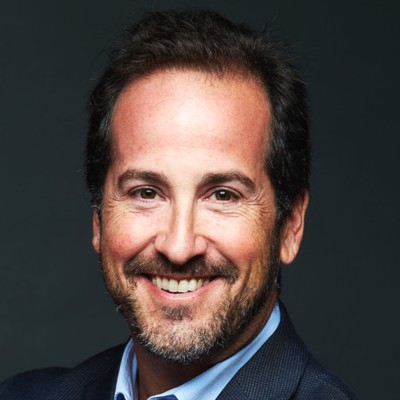 Harold Mann
Smaller cybersecurity vendors face an interesting dilemma. The biggest vendors make attractive targets because compromising them can expose enormous numbers of customers. But they also have substantial resources to harden their platforms, employ elite security teams, and respond to threats. Smaller vendors may lack those resources, but their lower profile and smaller installed base can make them less lucrative targets. A stolen credential database covering thousands of customers could be worth more to criminals than one covering dozens. So is bigger actually better when choosing cybersecurity vendors? I'm not convinced there's a universal answer. What do you think?
And who loses? MSPs that have treated security as a checkbox, failed to build meaningful expertise, or relied too heavily on a single vendor may face uncomfortable questions. But perhaps the biggest losers will be those who default to the tried-and-true fear, uncertainty, and doubt (FUD) approach. Clients and prospects are already fuming. The last thing they need is someone exploiting their anxiety to sell another security product. It takes tremendous composure not to let confirmation bias take over during a crisis, turning every new outage into proof of our worst predictions. Plausible risks quickly become doomsday scenarios, creating unnecessary panic and distress. Our job is to separate facts from assumptions, not amplify fear.
Be thoughtful. Be methodical. Don't try to boil the ocean. Improving security posture isn't a one-time purchase or a frantic reaction to the latest headline. It's a year-round process of identifying risks, prioritizing improvements, testing assumptions, and making steady progress. None of this minimizes the real damage these outages have caused, but crises have a way of exposing weaknesses and accelerating decisions. For the MSP industry, this could mean more investment, more opportunity, and more scrutiny. Not everyone will benefit equally.
The best outcome isn't more cybersecurity spending. It's better technology decisions. And that would be good for everyone.
Harold Mann is co-founder and President of Mann Consulting, a San Francisco-based IT consulting and managed services firm founded in 1991 that ranked No. 191 on the 2026 MSP 501 list. He has spent more than 35 years helping organizations navigate technology, security, and the occasional spectacular failure of both.
- - -